
The Mealup Lakes are a remarkable example of both environmental challenge and ecological resilience.
Over recent decades, the lakes have experienced significant pressures, stemming from drainage changes, reduced rainfall, and acid sulphate soil reactions that have impacted water quality and biodiversity. Through the dedication and collaboration of the Lake Mealup Preservation Society (LMPS) and Department of Biodiversity, Conservation and Attractions, the ‘Lake Mealup Recovery Project’ commenced restoration efforts which have helped restore water to the system and improve ecological conditions.
While these achievements are encouraging, balancing water management to minimise acidity risks while supporting biodiversity remains an ongoing challenge.
Following extreme drying conditions in 2024, the lakes were refilled in 2025, presenting a great opportunity to observe how plants and animals respond as the ecosystem recovers.
Which species return first?
How well do communities re-establish?
What changes occur as water levels fluctuate?
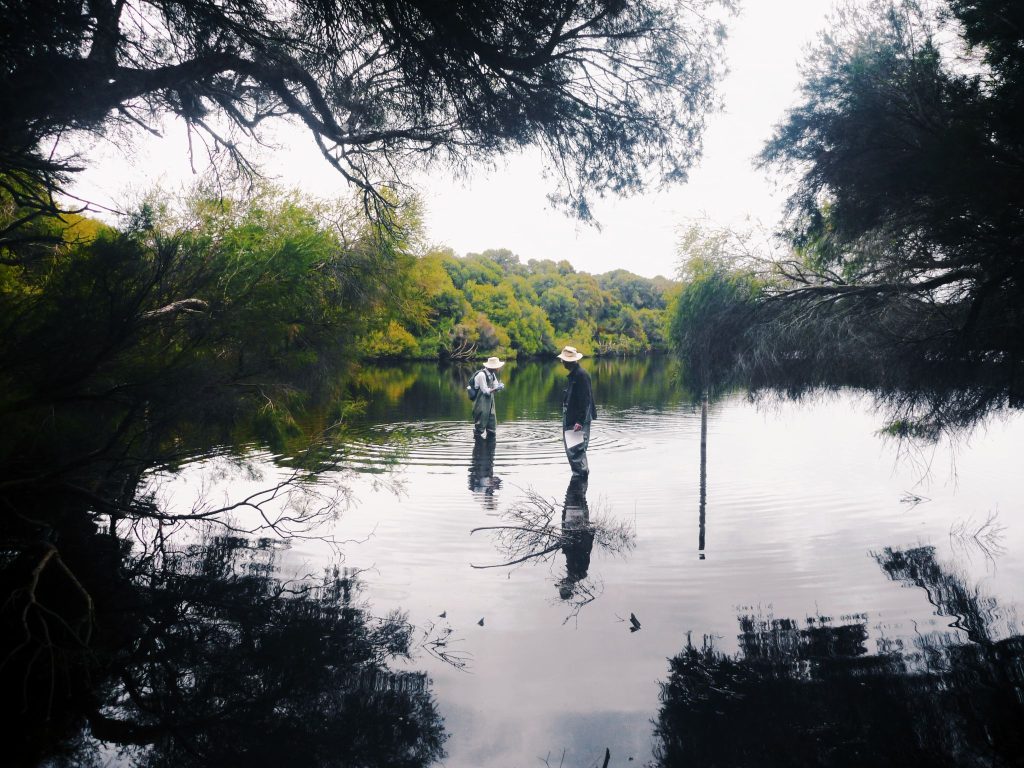
To help answer these questions and to better understand these dynamics, the LMPS citizen science team are undertaking seasonal water sampling, commencing during low water levels post summer (March/April) and again after the winter filling (June/July). Samples will be analysed with eDNA frontiers, Curtin University, to provide a detailed snapshot of aquatic biodiversity across seasonal cycles.
The first round of sampling has been completed, marking the beginning of an exciting journey to better understand the recovery and resilience of this unique wetland ecosystem.
Stay tuned for updates and discoveries as the project progresses.