
Our Team
Innovators in Environmental DNA Research
At the heart of the eDGES program is a diverse and globally connected team of researchers dedicated to advancing environmental DNA science. Our experts bring together a wide range of scientific backgrounds to address urgent challenges in biodiversity, sustainability, and ecosystem management. United by a shared mission, we work collaboratively to turn cutting-edge research into real-world impact.
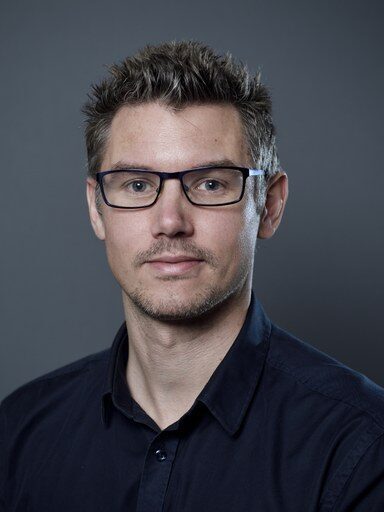
Professor Morten Allentoft
Morten is an evolutionary biologist and was recruited in mid-2020 to lead the TrEnD Lab. He has a background in ancient DNA (aDNA) research, working primarily on population genetics of extinct megafauna and ancient humans, but his interest in natural history is broad. This is evidenced by his publication list I that includes studies on prehistoric plague, horse domestication, snake venom evolution, millipede speciation, amphibian conservation, megafauna extinctions, and declines in Australian marsupials and cockatoos – just to name a few. While based at Curtin University, Morten maintains a fractional affiliation with Globe Institute at University of Copenhagen, ensuring a strong collaborative connection across the two continents.
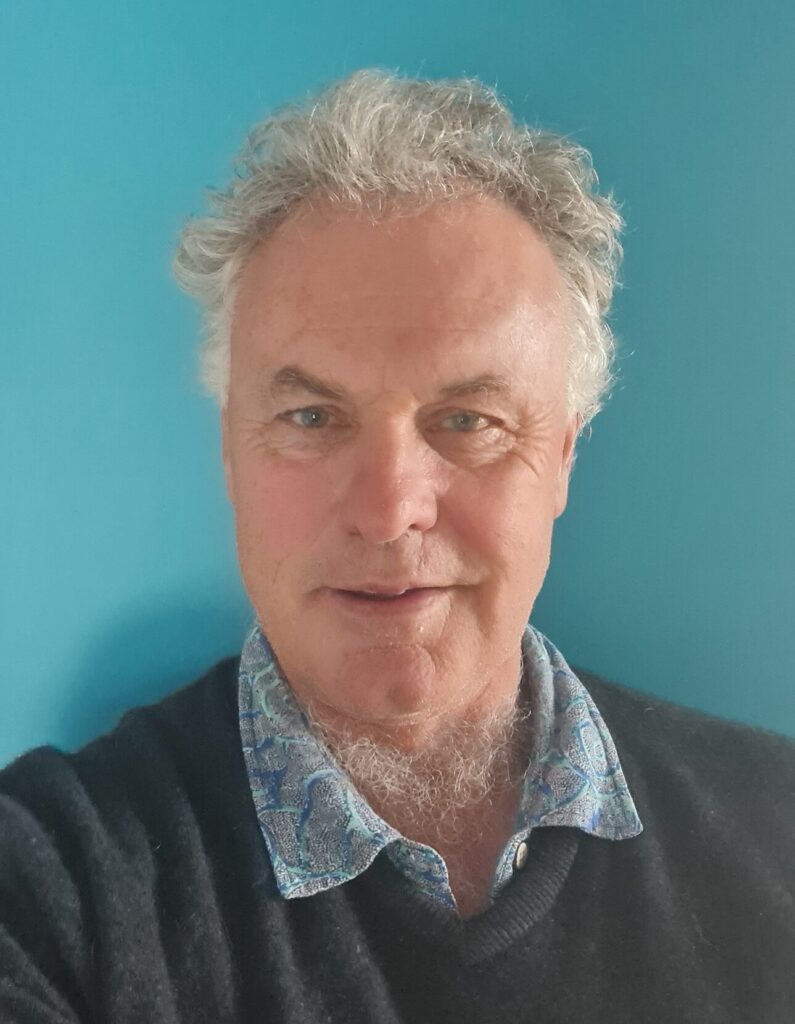
Professor Euan Harvey
Euan is a marine ecologist whose research has focussed on fish ecology and human impacts for the last 35 years. He is best know for his development and validation of stereo-video including stereo-DOVs, stereo-BRUVs and stereo-ROV. Since moving to Curtin in 2014 he has continued his interest of the use of non-destructive sampling and has been working on combined eDNA and visual sampling techniques (movie and molecules) and the ecological applications of eDNA to marine sampling.
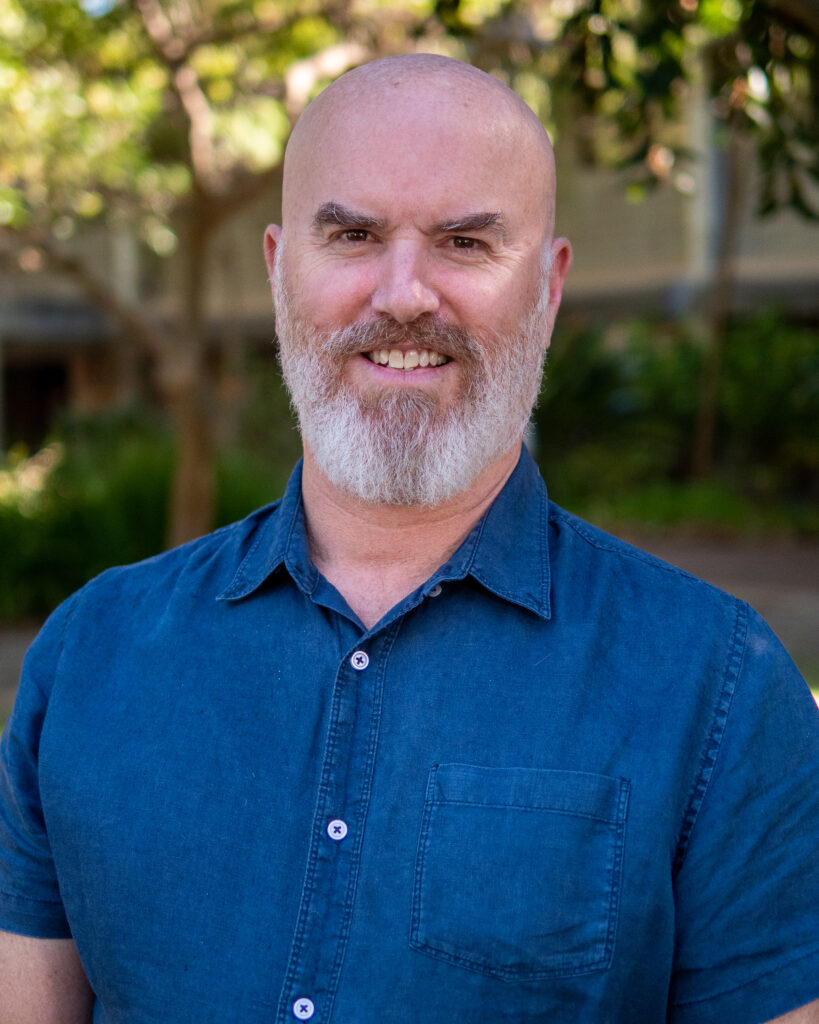
Shane Herbert - Business Manager
Shane is a molecular biologist and business manager having a broad spectrum of experiences in the genomics and proteomics service provision fields for over 30 years. Shane’s history has included roles in biotech companies, pharmaceutical research and technology suppliers. He now leads the eDNA Frontiers group at Curtin University, a commercially focused group linked to the Trace & Environment DNA (TrEnD) lab who have been consistent global leaders in environmental DNA and ancient DNA research. eDNA Frontiers translates and builds on the innovative methods and technologies developed by the TrEnD lab, and uses them with various groups across industry, government and communities.
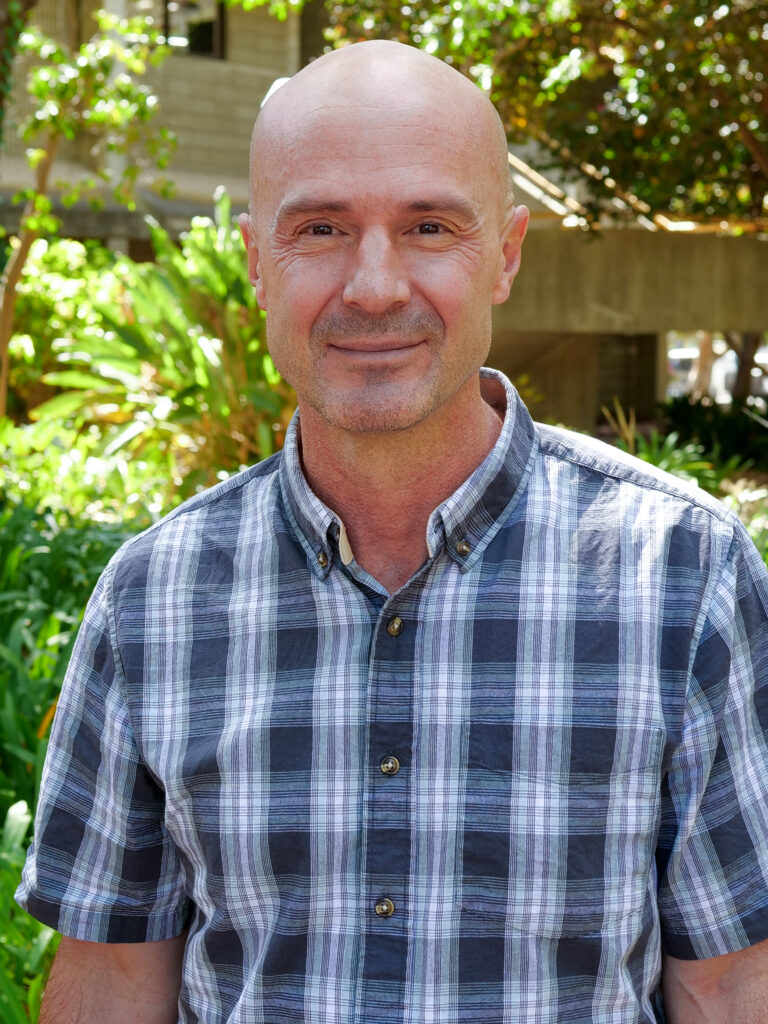
Professor Simon Jarman
Simon is a geneticist who researches population and community ecology with genomic tools. His population ecology work has focused on development of genetic technologies for estimating animal age and life history parameters. He works on environmental DNA methods for estimating relative species abundance, community composition, and ecosystem change. Simon trained in Scotland and Tasmania, and has worked at several universities, government departments, and research organisations. He has been Professor on Environmental Genomics at Curtin University since 2023.
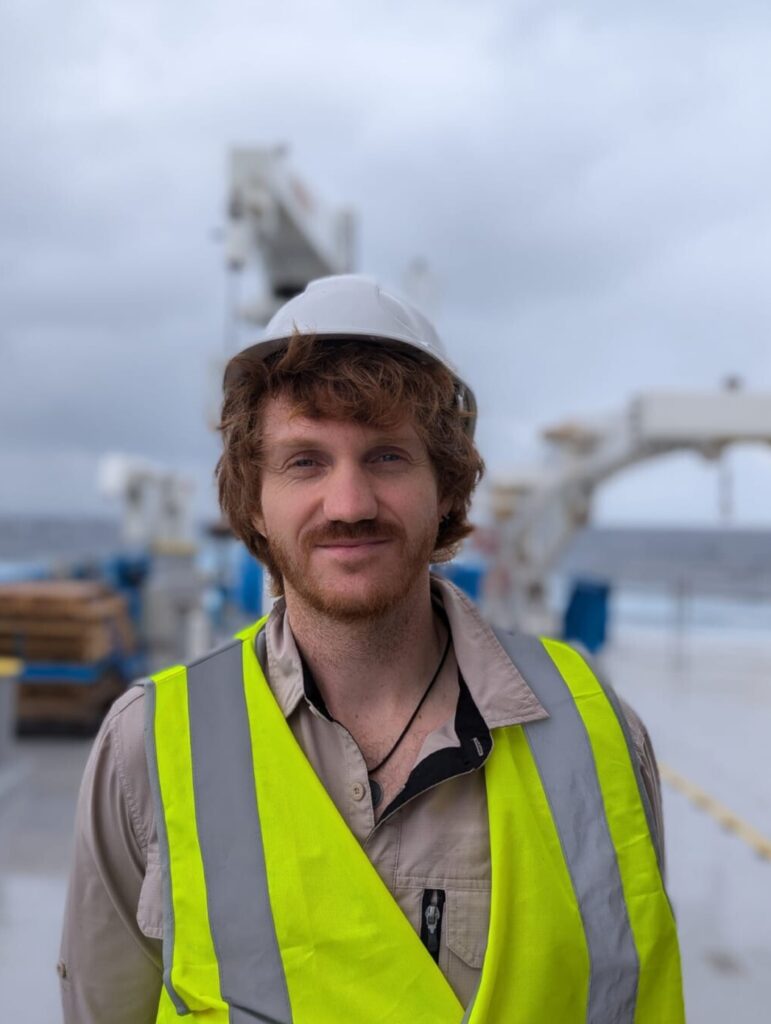
Dr Samuel Thompson - Research Associate
Sam completed his PhD at the University of Western Australia, where he worked on advancing aquatic biodiversity assessments by integrating eDNA metabarcoding with Stereo-Video and oceanographic data collection using novel sampling methods. In 2024, he joined the TrEnD lab, eDGES program and eDNA Frontiers as a postdoctoral data scientist and bioinformatician, focusing on the development and application of software tools to streamline the analysis, interpretation, and visualization of eDNA metabarcoding data. With a multidisciplinary background spanning pharmaceutical research, agriculture, biological oceanography, and molecular ecology, Sam is particularly interested in leveraging novel eDNA technologies for marine biodiversity monitoring. His research aims to refine these methods by calibrating them against traditional visual survey techniques.
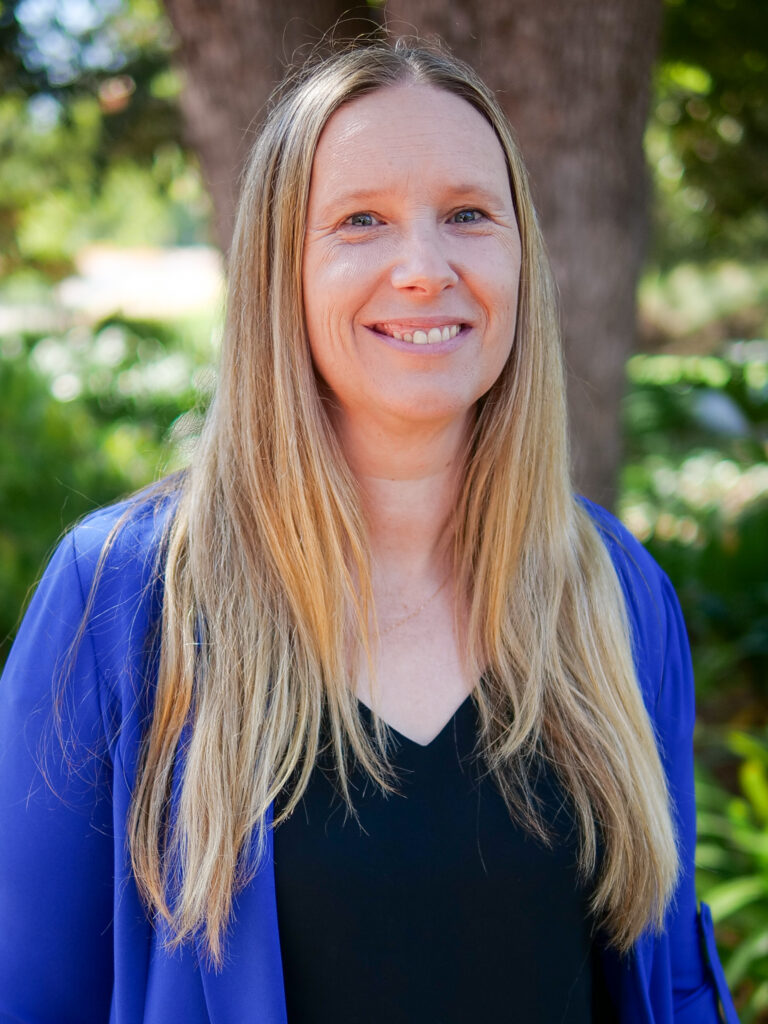
Ms Sherralee Lukehurst - Senior Research Officer
Sherralee is an experienced Molecular Biologist, who has previously worked at the Department of Primary Industries and Regional Development in the areas of fish health and aquatic biosecurity. In her current position, funded by the eDGES program, Sherralee is working on enhancing and validating the use of eDNA metabarcoding techniques for the purpose of detecting high priority Invasive Marine Species (IMS) for biosecurity applications.
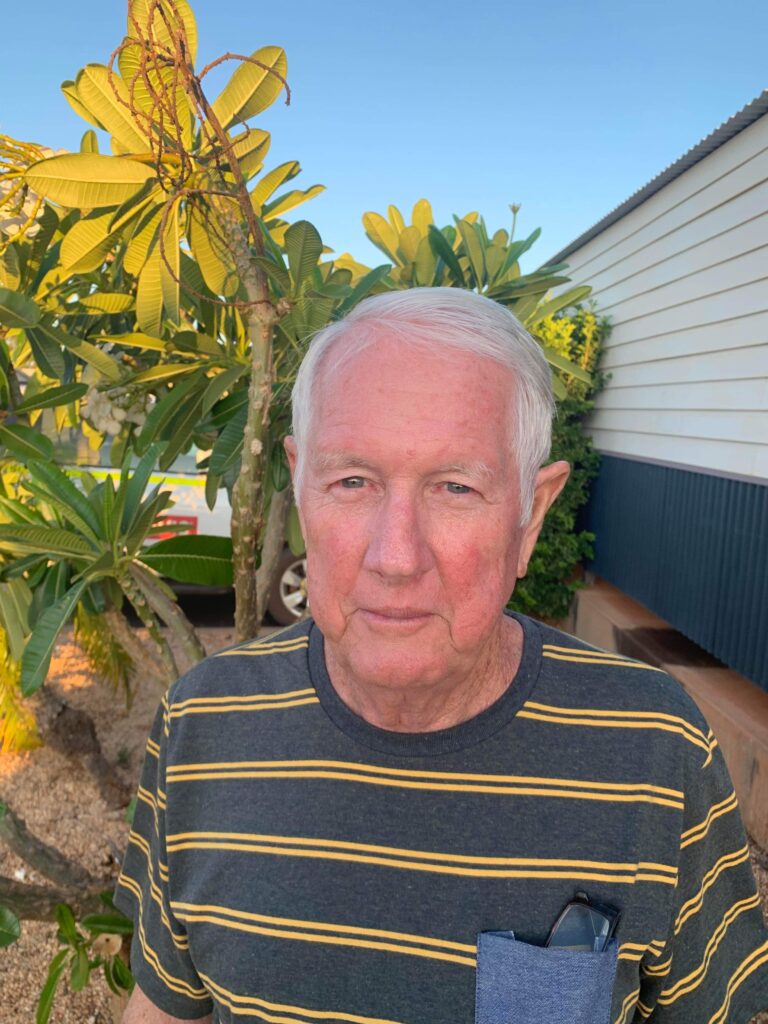
Fred Wells - Adjunct Professor
Fred has considerable skills in the taxonomy and ecology of marine invertebrates gained during 30 years at the Western Australian Museum. Fred designed and undertook IMS monitoring programs for the WA Department of Fisheries and major LNG projects. Fred has extensive experience in IMS detection and a thorough knowledge of the issues involved.
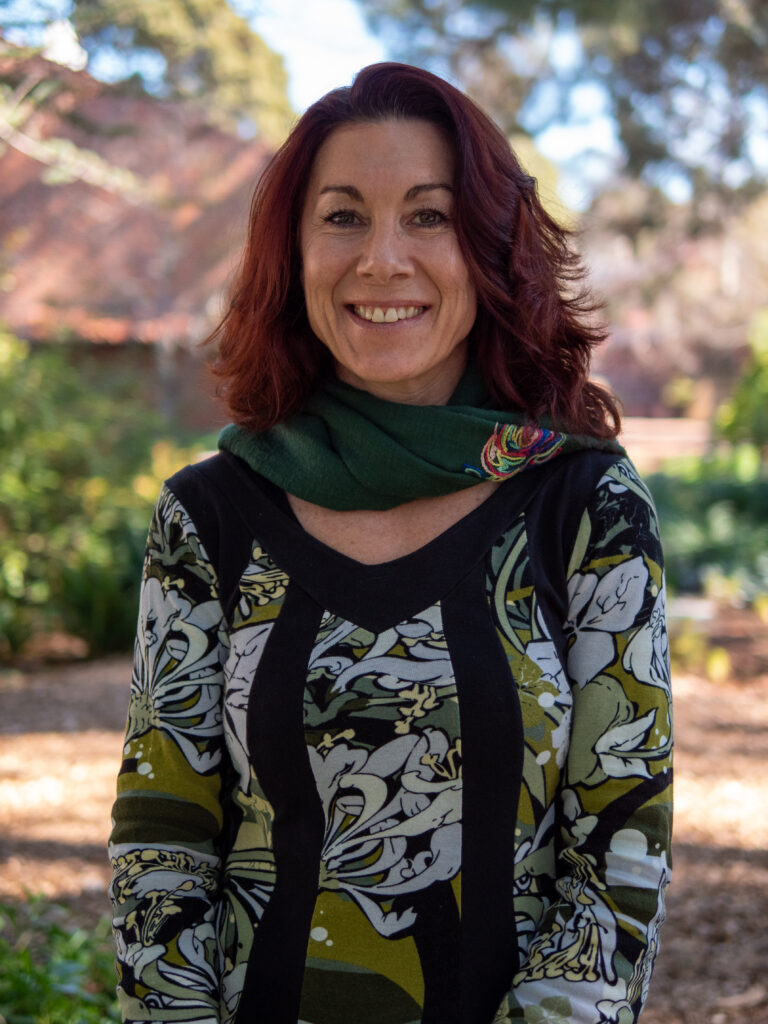
Dr Nicole White - Senior Research Fellow
Nicoles work combines cutting-edge genetic technologies with traditional molecular approaches to safeguard Australia’s extraordinary and often endangered fauna. Nicole earned her PhD in Biological Sciences in 2012, where she developed transformative genetic tools for the conservation and management of Western Australia’s critically endangered white-tailed black-cockatoo species. Nicole joined Curtin University in 2014, and her current research program focuses on developing revolutionary eDNA detection tools for subterranean fauna, one of the most challenging frontiers in biodiversity monitoring. Her innovative techniques for extracting genetic information from groundwater are opening new possibilities for understanding and protecting Australia’s hidden underground ecosystems.
Dr Angus Lawrie - Research Associate
Angus is a conservation biologist whose main interest is in using genetic tools to answer evolutionary and ecological questions. He completed his PhD at Murdoch University in 2023, where he specialized in the phylogenetics, physiology, and phylogeography of extreme gastropods in Australian salt lakes. Angus joined Curtin University in 2024 as a post-doc in the TrEnD Lab under the EDGES program, following an interlude in environmental consulting that was instrumental in shaping his focus on conducting research with direct applied applications. His current project seeks to develop a novel eDNA-based tool for assessing the health of Western Australian wetlands.
Dr Mieke van der Heyde - Lecturer
Mieke is an experienced molecular ecologist with over eight years working with environmental DNA (eDNA). She has investigated many applications of eDNA for terrestrial and subterranean environments, often in partnership with industry and government to develop molecular tools as solutions for current challenges.
Dr Mahsa Mousavi-Derazmahalleh - Lecturer
She specialises in Applied Bioinformatics, focusing primarily on the innovative application of environmental DNA (eDNA) techniques for biomonitoring. Additionally, her research interests extend to developing genomics resources, particularly for threatened reptile species, to assist with conservation efforts.
Ben Heyward - PhD student
Ben is a PhD student under the primary supervision of Morten Allentoft. Beginning with his honours on the decay rate of Pilbara olive python DNA, Ben seeks to further investigate the genomics of this species through his PhD, with a focus on whole-genome studies and biomonitoring.
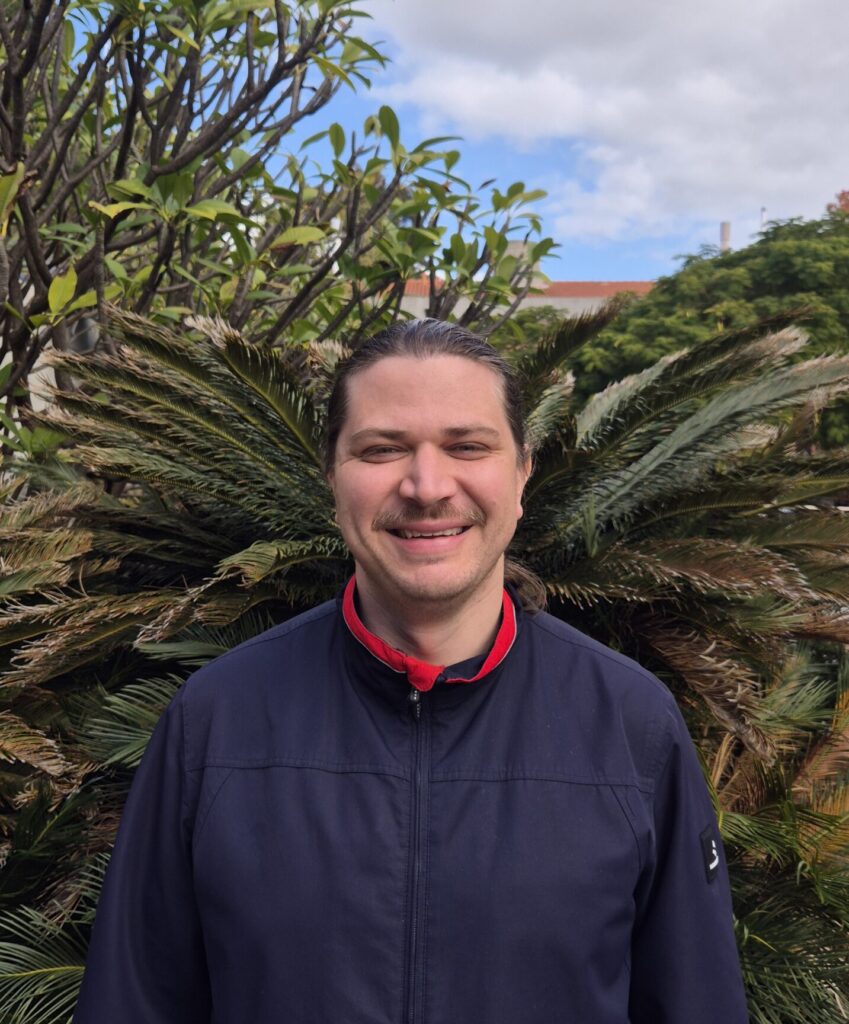
Dr Matthew Campbell - Research Fellow
Matt is a post-doctoral researcher investigating the potential of ancient DNA to reconstruct Australia’s paleoecology and paleoclimate. In 2021, he joined the TrEnD Lab as a research technician, supporting laboratory operations and contributing to a range of eDNA projects. In 2023, he began his post-doctoral research, focusing on sedimentary ancient DNA from lake and wetland sediment cores in Southwest Australia to identify past plant and animal communities.
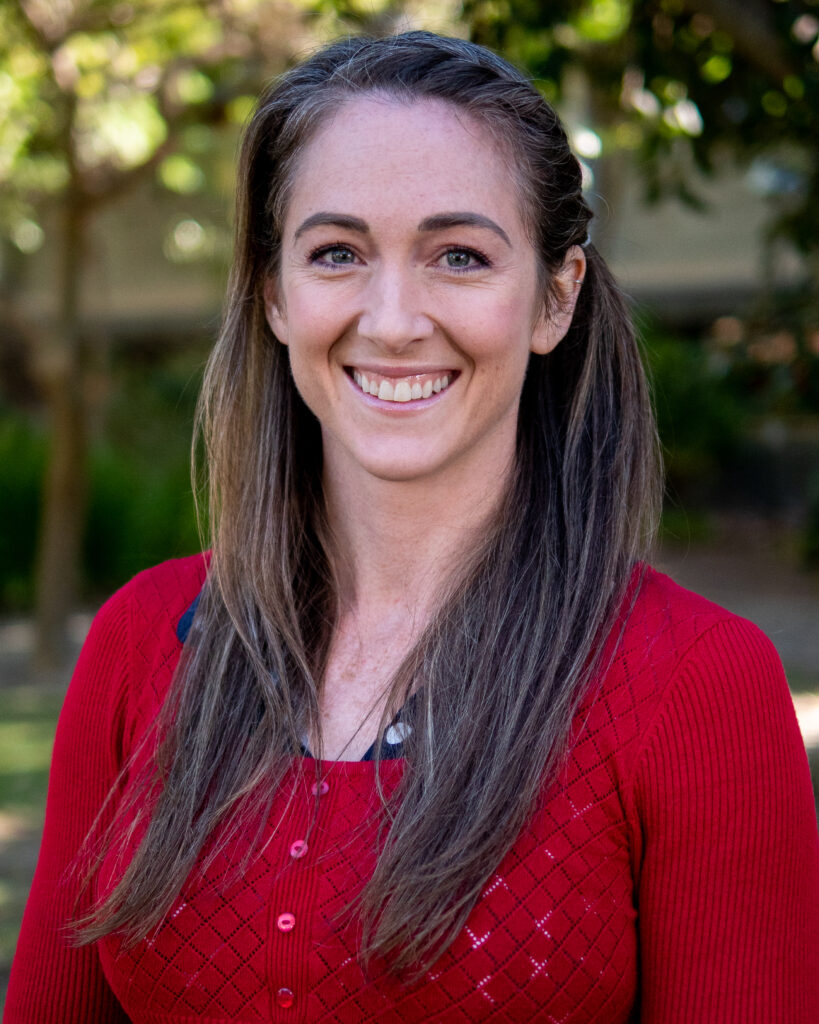
Dr Jacquelyn Jones - Lab Manager
Jackie has been with TrEnD since 2023 and provides technical and administrative support to the team as Lab Manager. Jackie completed her Bachelor of Science (Hons) with a degree in Chemistry and Biological Sciences in 2015 at Edith Cowan University. In 2021 she completed her PhD at Curtin university, under the primary supervision of AssProf Claus Christopherson. Jackie has worked on research projects that focus on the link between the gut microbiome and long-term human health.
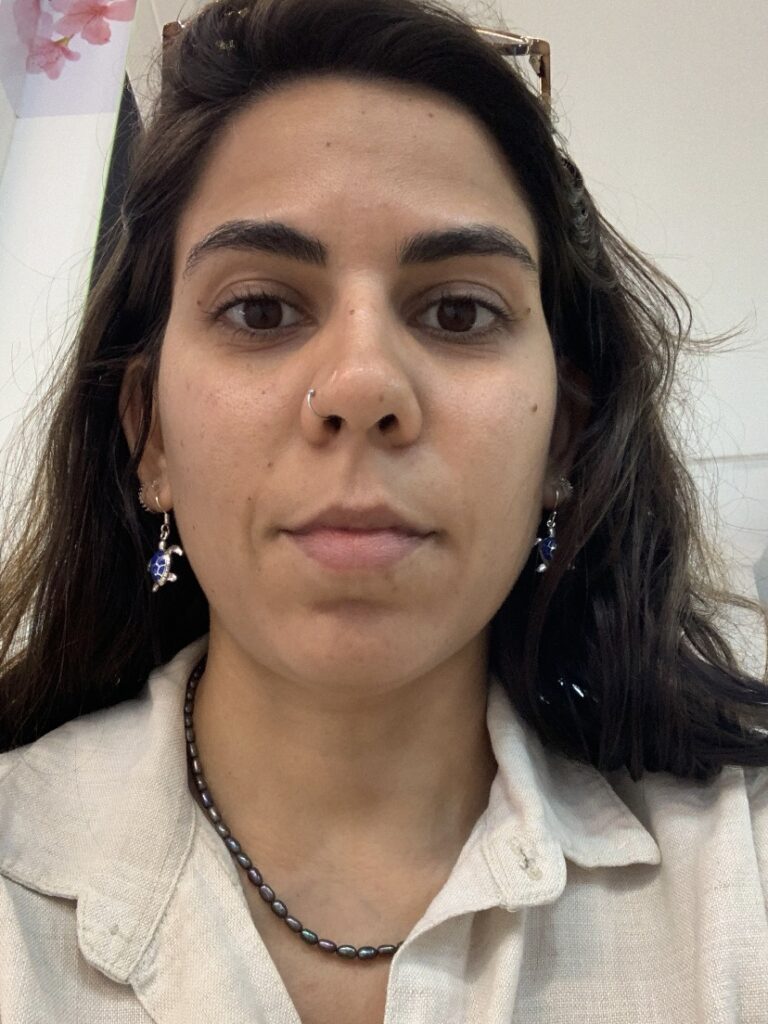
Dr Marina de Oliveira - Research associate
Associate researcher at the TrEnD laboratory. She is a molecular ecologist with a focus on applying non-invasive genetic methods to assess vertebrate biodiversity. She has more recently focused her efforts on the application of eDNA, with relevant experience in project design, fieldwork, laboratory workflow and bioinformatic analyses of eDNA data.
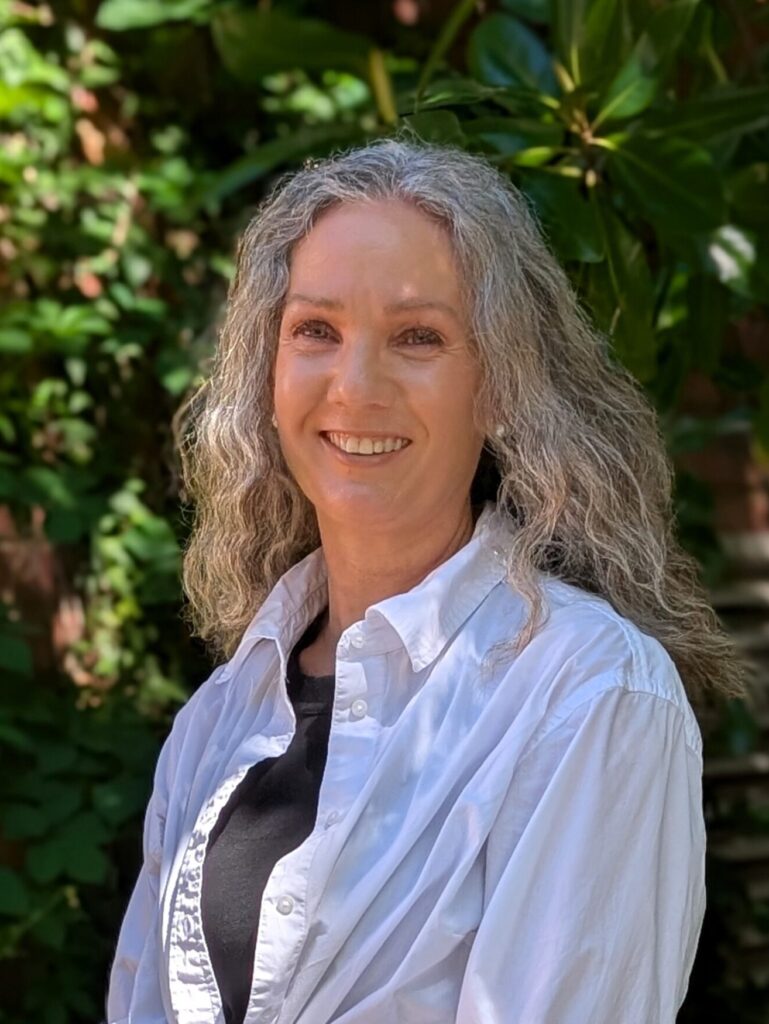
Esther Della Favory - Administrative officer
Esther is an Administrative Officer for eDGES and eDNA Frontiers. With over 20 years of experience in business administration, finance, and contract negotiations, Esther brings a strong background in sustainability, construction, infrastructure, and accounting sectors. This experience spans both the private and government sectors, equipping her with a diverse skill set and a thorough understanding of various industries. Additionally, Esther also is an Administrative Officer for eDGES and ARC Training Centre for Healing Country.
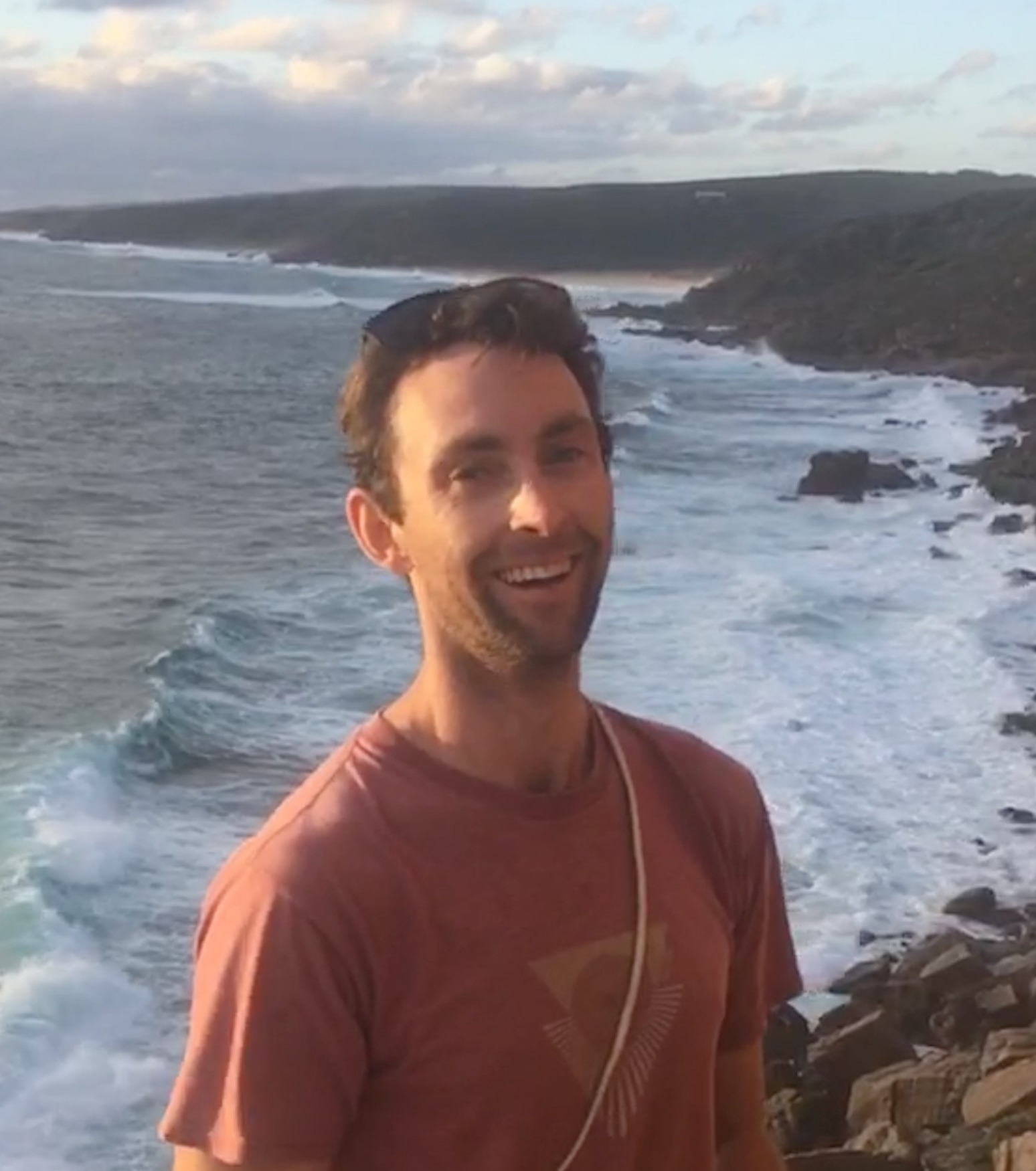
Dr Joshua Newton - Research Associate
Josh is a molecular ecologist specialising in the use of eDNA within terrestrial ecosystems. His research spans from detecting vertebrate DNA in spider webs to assessing the potential of airborne DNA to reveal broad-scale biodiversity patterns across large spatial scales. His current work focuses on developing more efficient methods for capturing reptile DNA in the field, addressing the challenges of using eDNA to monitor this low-shedding taxon.
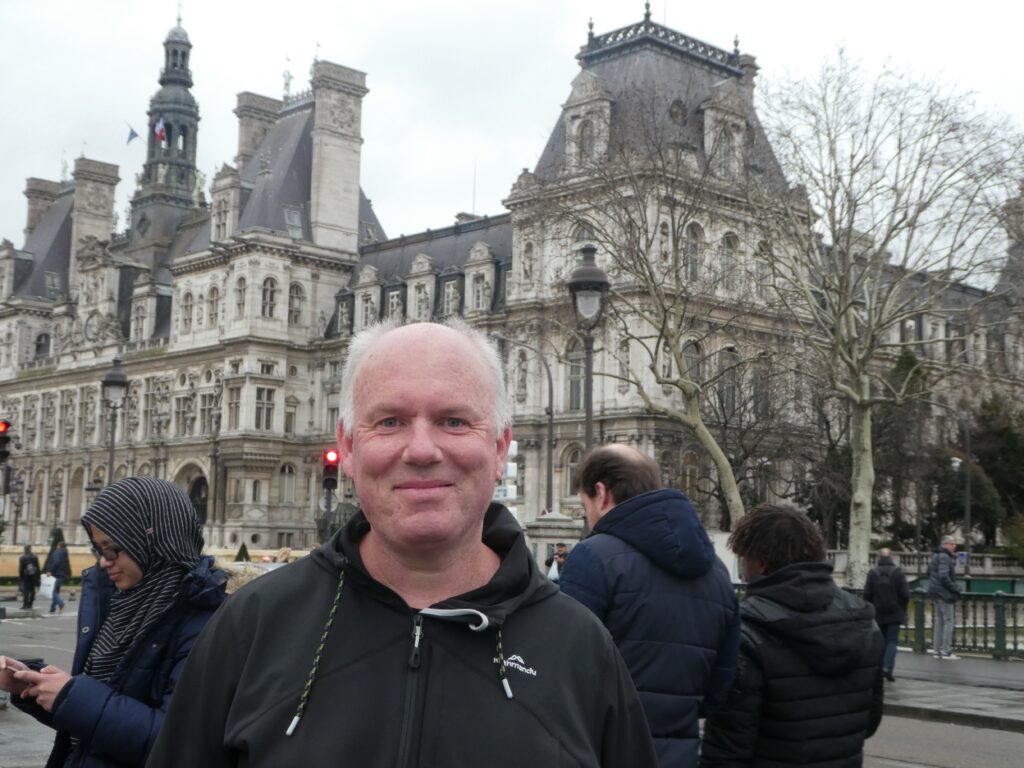
Paul Nevill - Associate Professor
Paul is a molecular ecologist working on everything from soil microbes to mammals. His main research interest is eDNA based survey and monitoring of terrestrial biodiversity and he works extensively with government, industry and community to solve tricky conservation issues using novel molecular tools.
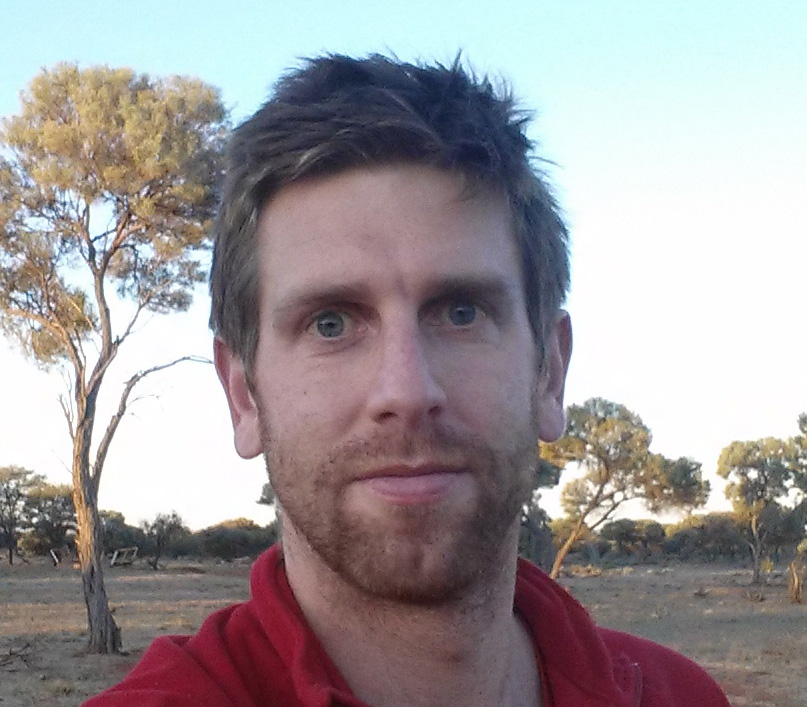
Dr Mattia Sacco - Lecturer
Mattia is a researcher interested in aquatic environments – both superficial and subterranean – and the incorporation of multidisciplinary designs into the study of functional ecology. He collaborates with a network of scientist across multiple continents with the aim of building bridges between researchers, policy makers and citizens.