
Benthic communities associated with port and harbour infrastructure in the Pilbara: Targeting invasive marine species
eDGES v1 – Project 5
In this project, we sought to understand the biological diversity of the Pilbara coast, which is one of the most poorly characterised coastal regions in the developed world. This region is particularly interesting for biodiversity assessment because it is known to have high levels of endemism, and it is relatively undisturbed by human activities relative to tropic coastlines internationally. The region also supports substantial industrial activity, concentrated on the bulk shipping facilities at Port Hedland.
Environmental DNA (eDNA) is a valuable tool for biodiversity assessment, with particular strengths for generating lists of taxa resident in a region. eDNA is also particularly suitable for aquatic biodiversity assessment because DNA itself is water soluble, and much of the biological material that eDNA is bound to such as cellular debris and biofilms is present in particulate organic matter in the water column. Aquatic eDNA samples provide a useful aggregate assessment of species that have lived in the water body being sampled if they are analysed appropriately. Detecting eDNA of invasive marine species (IMS) is valuable for management of any coastal marine environment, as this is currently the most sensitive method available for IMS detection.
This project is built around sampling surveys of aquatic eDNA in Port Hedland and adjacent environments that do not currently harbour industrial activity. The proximity of high conservation value coastal habitats to regulated and intensively managed industrial activities at Port Hedland provides an opportunity to investigate the biodiversity differences between relatively untouched coastal reserves and a busy port. Port Hedland is thought to be free of established IMS. This is intriguing given that it is one of the world’s busier bulk transport ports, and the shipping is concentrated in a very small area. The sampling survey that we have undertaken will measure biodiversity links between the areas of industrial activity and reserved areas nearby to investigate the possible links between native biodiversity and protection from IMS establishment.
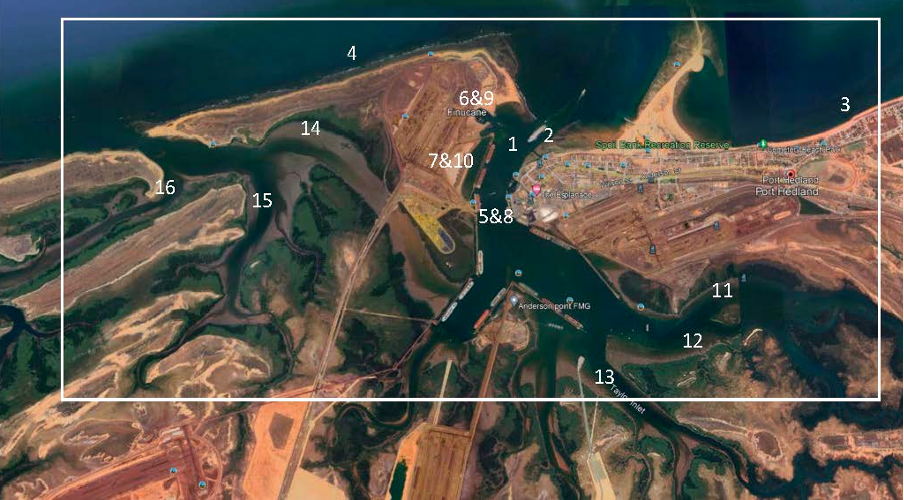
Figure 1: Map of Port Hedland, showing sampling sites. The white box marks the limit of the survey area.
This project involved one of the largest aquatic eDNA sampling surveys ever completed. We sampled surface eDNA in parallel to samples from the water column by using mini paint rollers to collect benthic eDNA from surfaces such as pylons in the port area, and mangroves in the non-port areas. Our implementation of rapid, high-performance eDNA sampling methods allowed us to collect more than 1,000 samples from the port area and surrounding habitats at Port Hedland over a one-week sampling campaign (Figure 1).
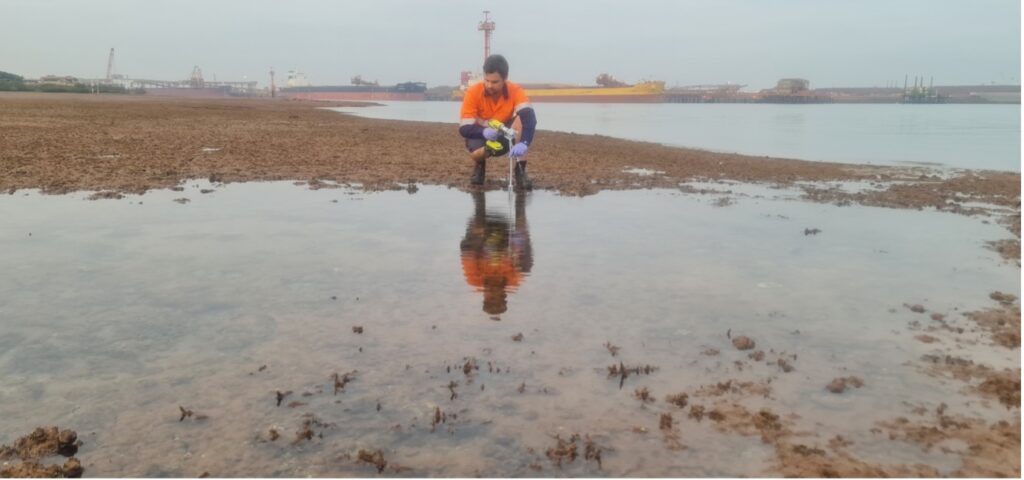
Figure 2. Sampling eDNA from water on inter-tidal rock pools.
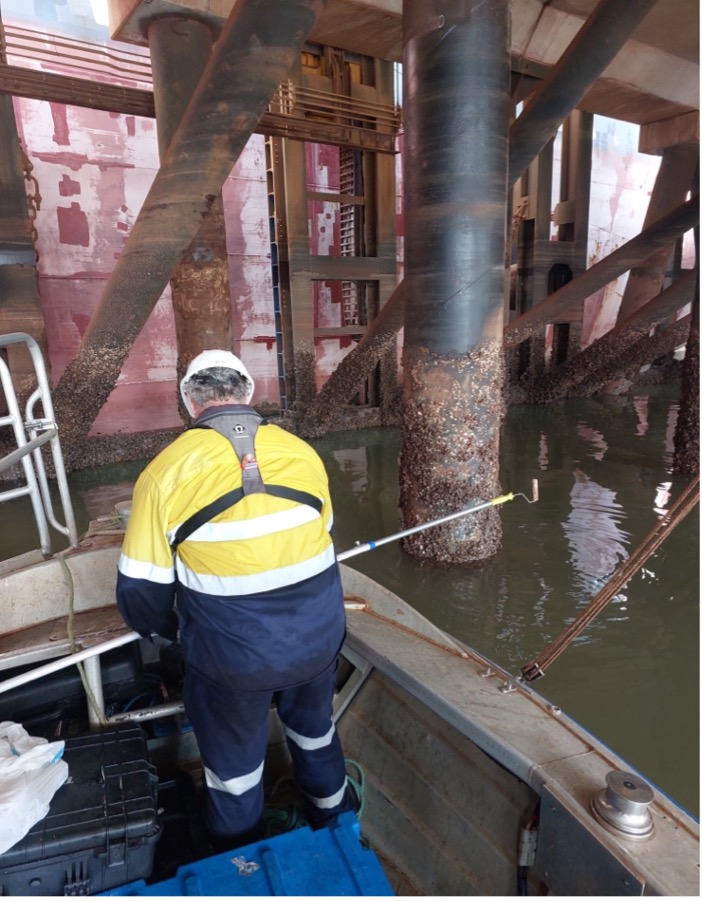
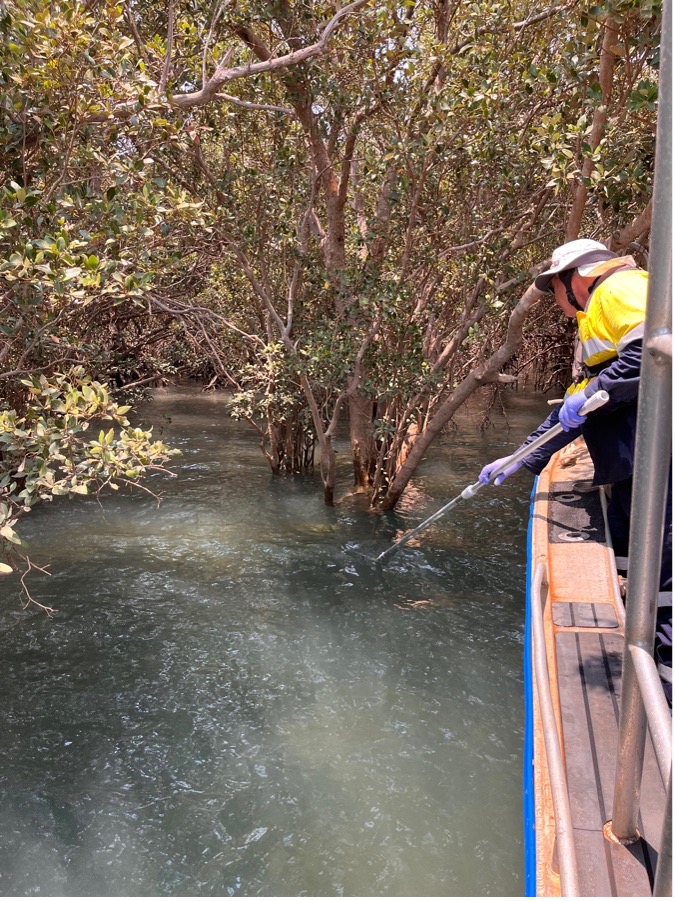
Figure 3. Taking surface eDNA samples from pylons in the port area (left) and mangroves (right) using paint rollers on a pole.